Cervus nippon
Sika Deer
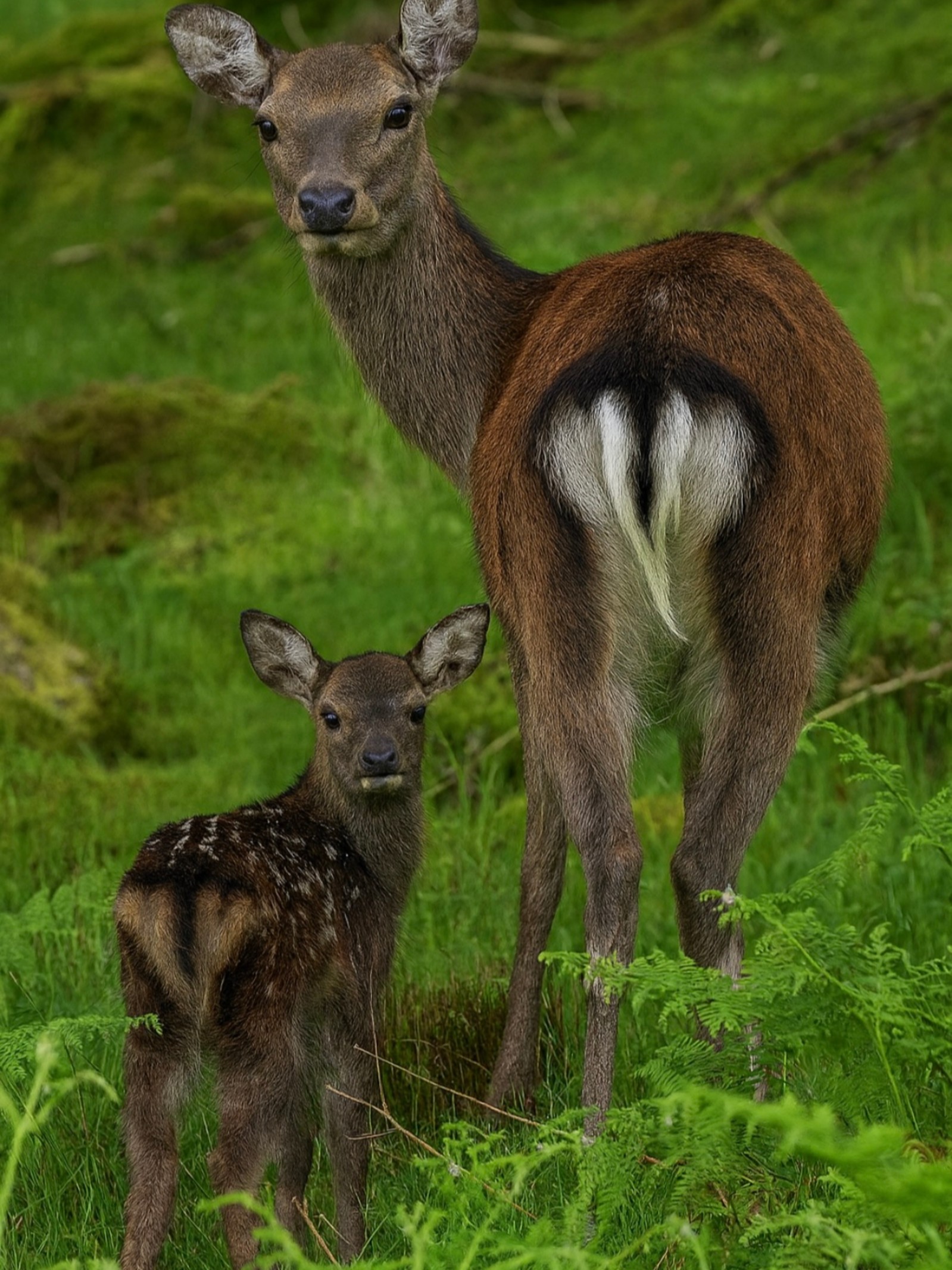
Sika are compact, sharp, and far cannier than their size suggests. On open mountain they rely on nose and ear as much as eye. Wind discipline is everything on a sika stalk. Mature stags carry a distinctive antler shape.
The hunt
Glenmalure, Co. Wicklow
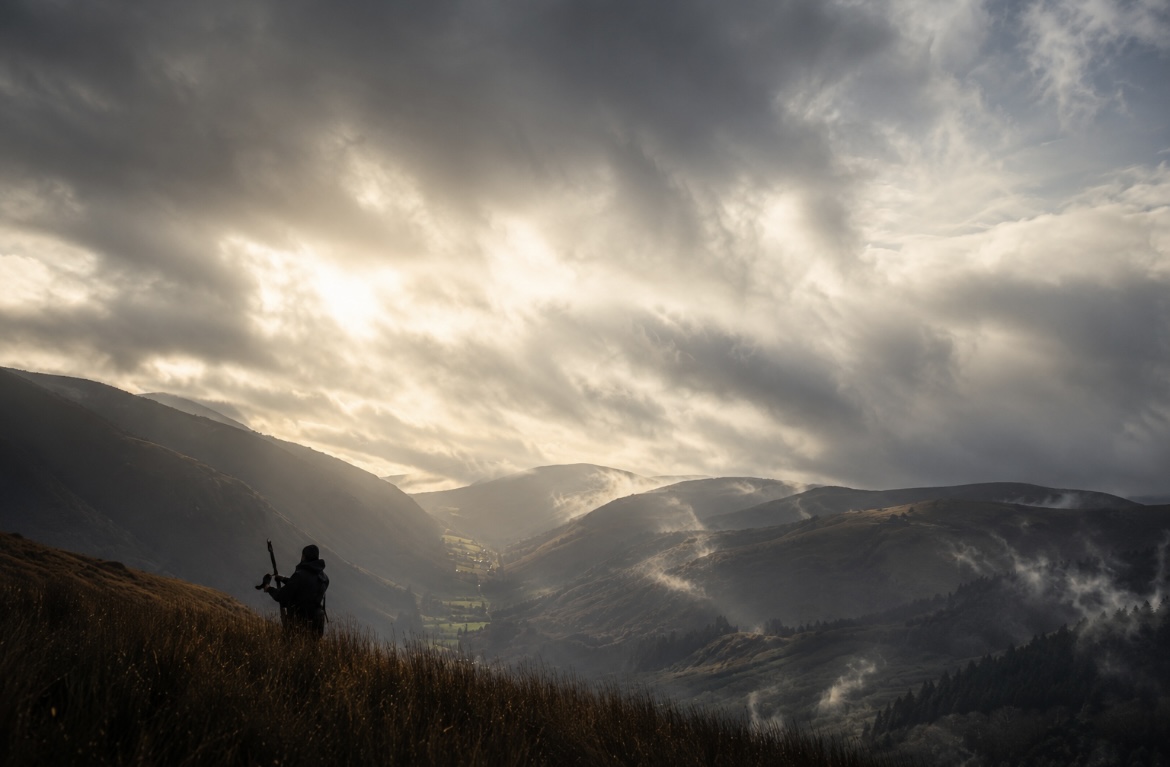
Glacial Valley Hunting operates on more than 25,000 acres of privately held mountain ground in the Glenmalure Valley, the longest glacial valley of its kind in Ireland. The valley and surrounding ridges are enclosed on three sides by the Wicklow Mountains National Park, which adds another 50,000 acres of buffer.
The ground ranges from the valley floor at around 200 metres up to open ridgelines above 700 metres. Terrain includes open heather bog, rocky corries, ancient oakwood, conifer plantation edges, and exposed granite scree. The deer use all of it across the season, and your guide knows where they'll be, because he's been watching them move across this ground for thirty years.
The Nolan family has held this land since the early 1800s. That continuity shows in how the deer are managed: selective culling to maintain herd health, no overharvest, a genuine relationship with the land rather than a commercial one.
What's on the ground
Glenmalure, Co. Wicklow
Cervus nippon
Sika are compact, sharp, and far cannier than their size suggests. On open mountain they rely on nose and ear as much as eye. Wind discipline is everything on a sika stalk. Mature stags carry a distinctive antler shape.
Cervus elaphus × nippon
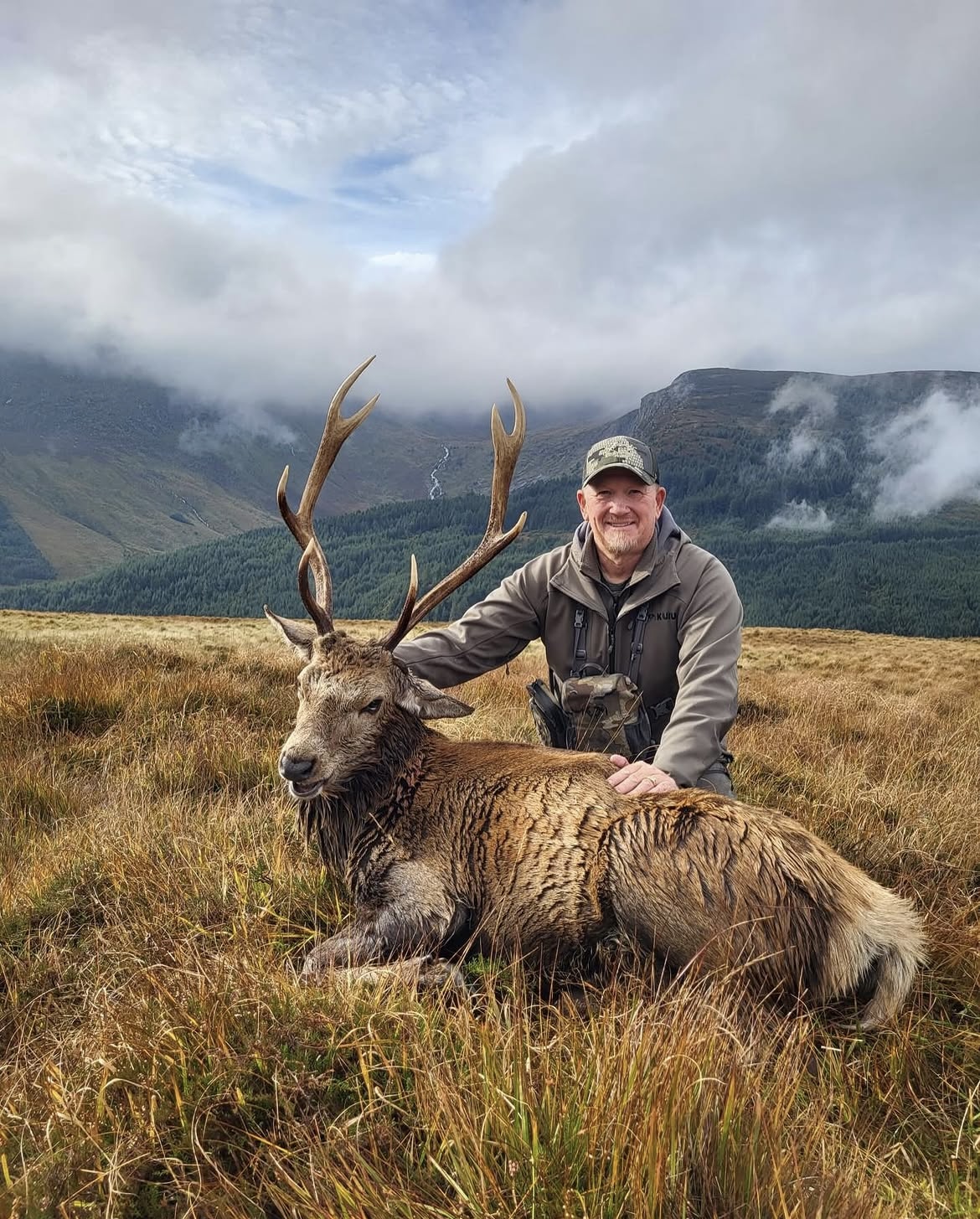
Wicklow's red deer population has interbred with sika over generations, producing the red/sika hybrid common across the uplands. These animals run larger than pure sika and carry more complex antler forms. A good hybrid stag is a trophy worth travelling for. Some animals present almost pure-red characteristics; others show clear sika influence in body shape and colour.
Capra hircus (feral)
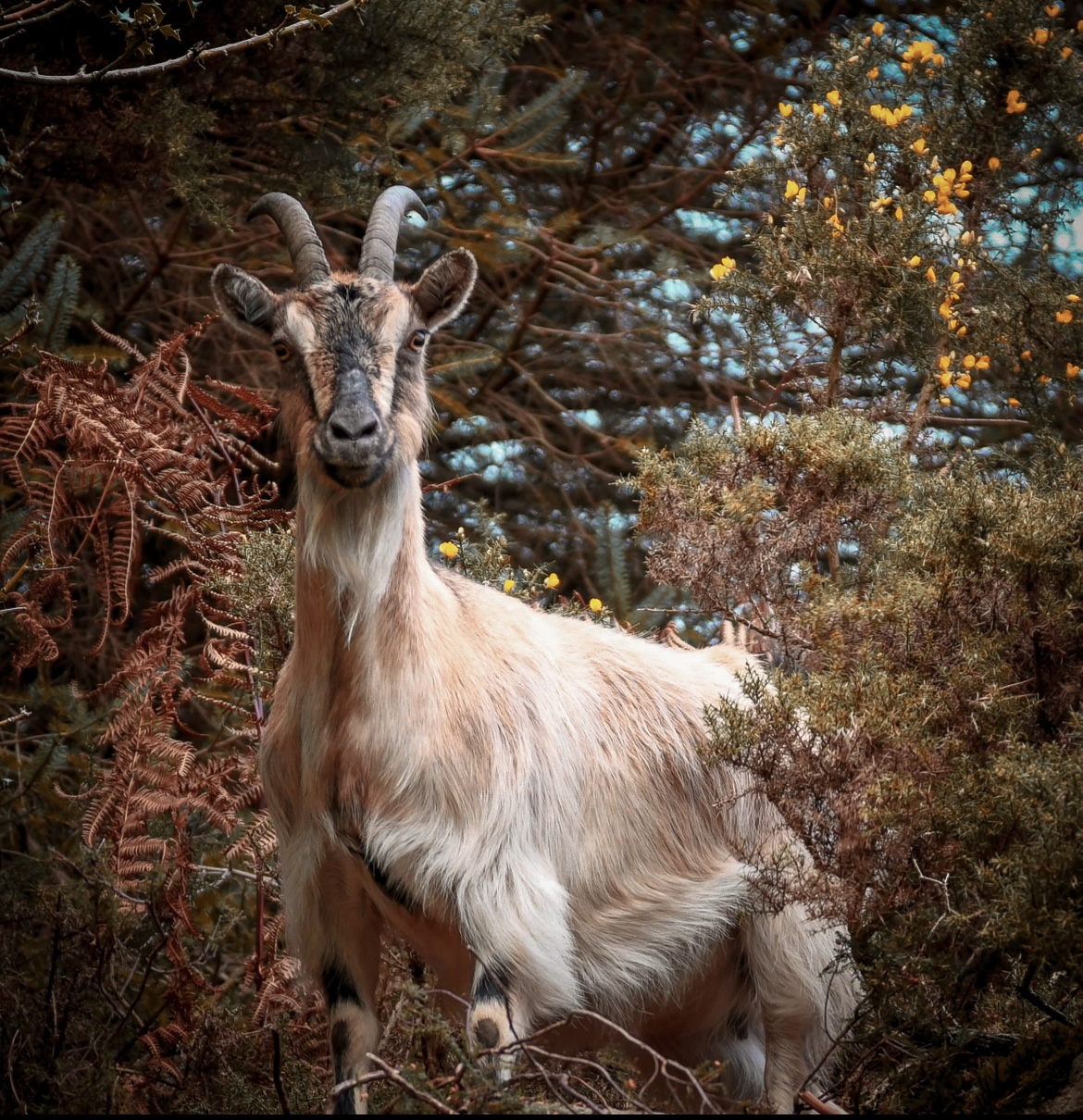
The mountain goat herds of Glenmalure are genuinely feral, not park animals, not farm escapes. Old billy goats carry long swept horns and live on the most vertical ground on the property. Available year-round as an add-on to any deer package. Good early-morning quarry: glass the cliff faces and upper corrie rims.
Dama dama
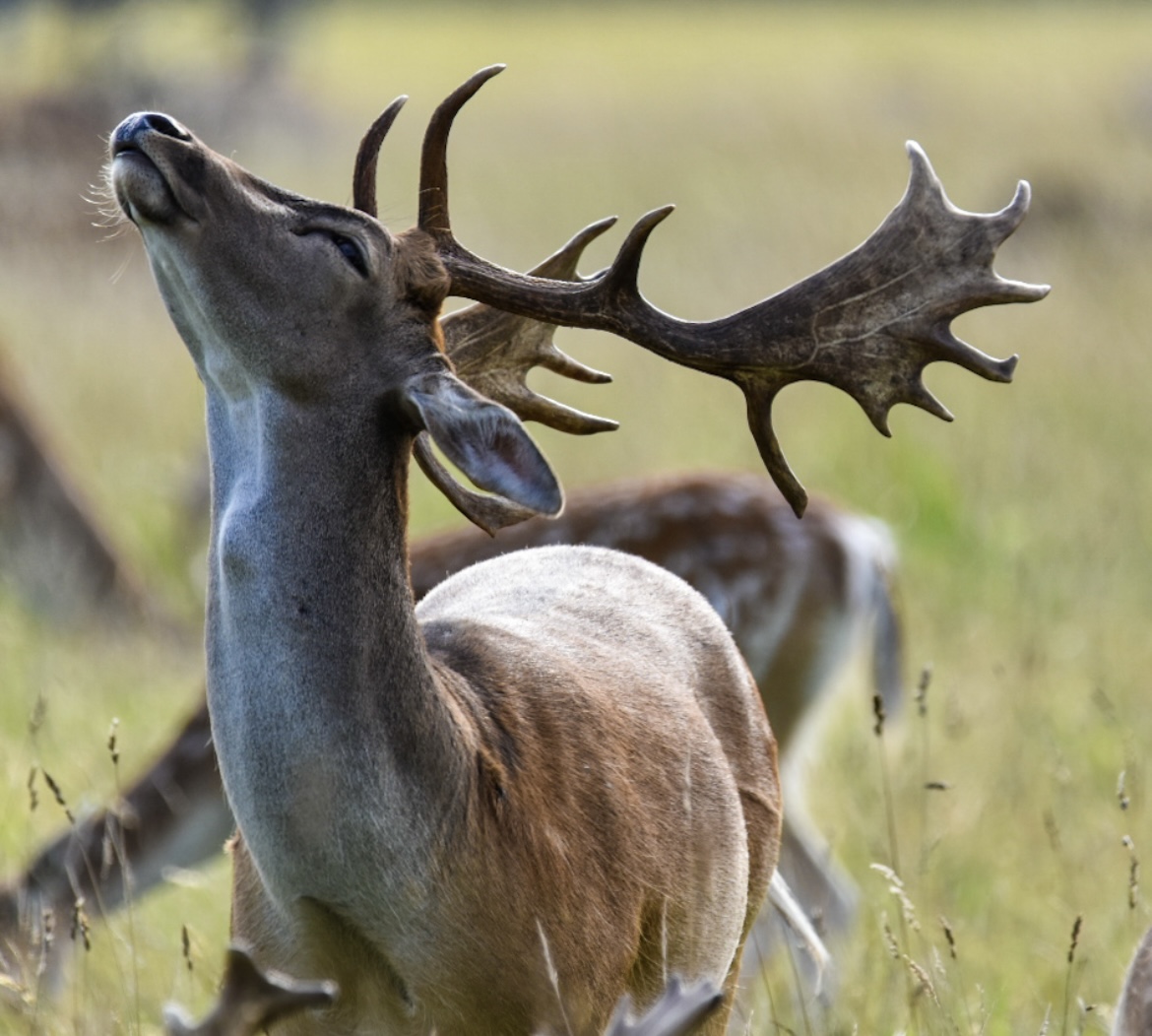
Fallow deer roam lower ground and forest edges in the Irish Midlands, moving in small mixed groups rather than alone. Bucks vary widely in coat colour, from pale to near-black. A quieter, more patient stalk than sika, worked from cover along the treeline.
Cervus elaphus
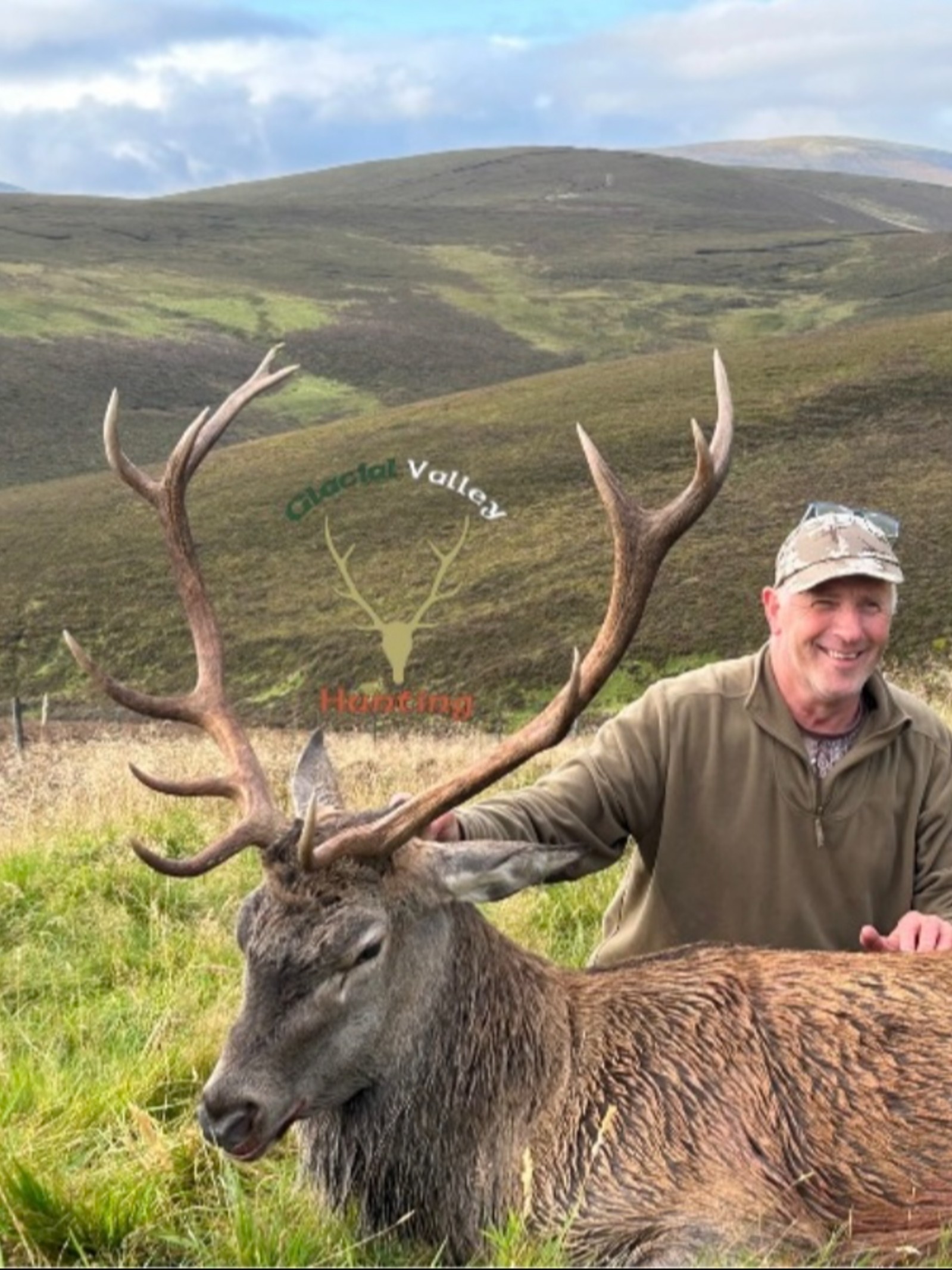
Ireland's largest deer and a serious quarry on open mountain. These are hunted on low land in the Midlands. Red stags roar and gather hinds across the high ground during the rut, and a mature stag's head carries real weight and spread. They are an easier stalk. Expect long glassing sessions and careful, patient stalks across exposed ground, where wind can shift in seconds.
Vulpes vulpes
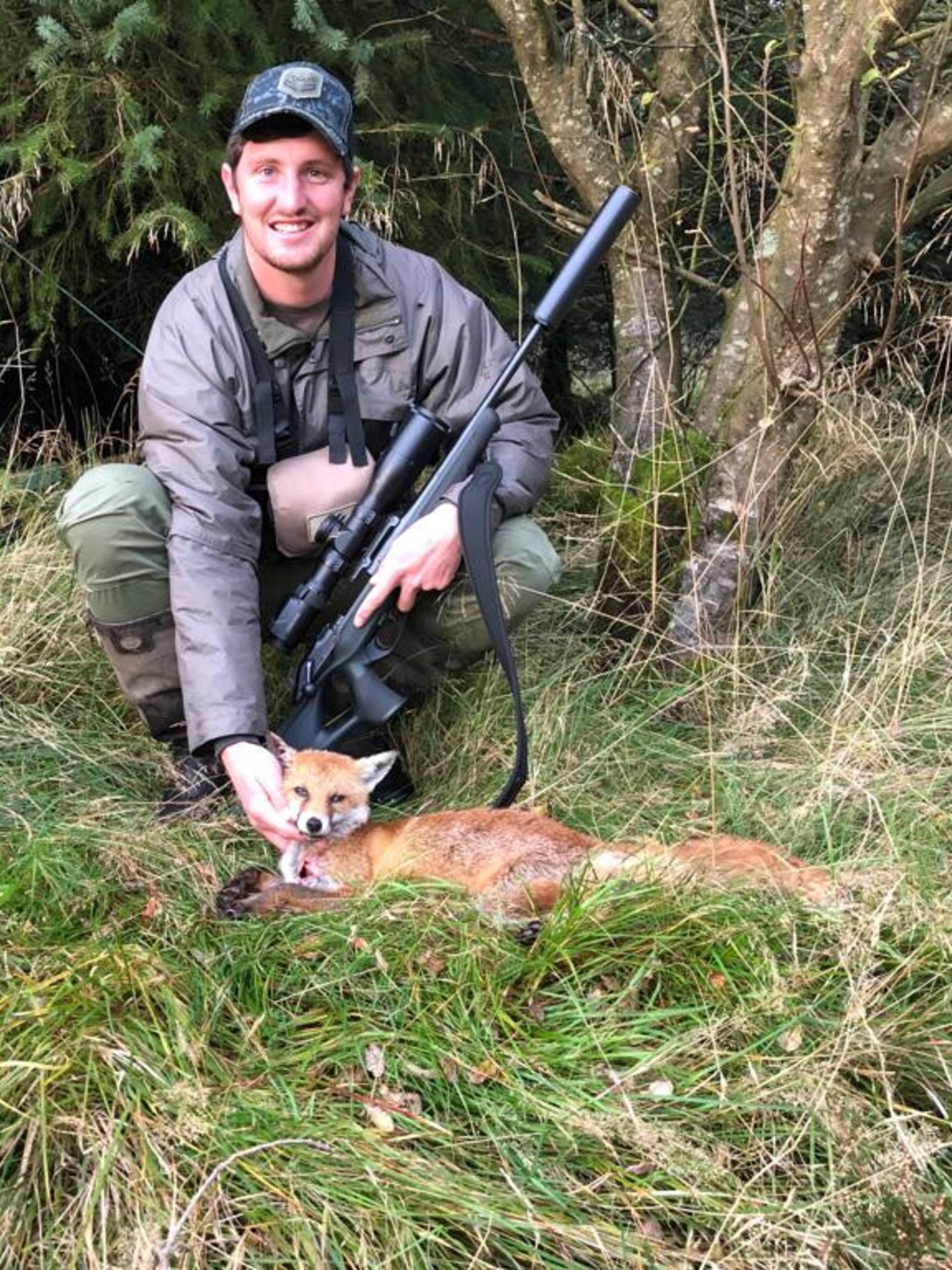
Fox control is part of the land management programme here. Hunts take place after dark using night-vision or thermal equipment, working the open fields and forestry edges where foxes move between cover. Available year-round as an add-on to any deer package, and a good option for hunters who want an extra outing without pulling time from the main stalk.
Lincolnshire · Gloucestershire
Capreolus capreolus
Britain's smallest native deer and a true woodland specialist. Roe bucks hold territory through spring and summer, making early mornings and evenings at the wood edge the best times to find them. Expect close-range, still-hunting style stalking rather than long glassing across open ground.
Muntiacus reevesi
A small, secretive deer found in thick cover across the English lowlands. Muntjac have no fixed breeding season, so bucks and does can be encountered at any time of year. Stalking tends to mean short, quiet approaches through woodland and scrub rather than open-ground glassing.
Hydropotes inermis
An unusual, tusked deer found mainly in the wetlands and river valleys of eastern England. Chinese water deer lack antlers entirely, with bucks instead carrying visible canine tusks. They favour reedbeds and rough grassland, and a careful approach along field margins is often the most productive method.
Cervus elaphus
England's largest deer, found here across open parkland and farmland rather than mountain terrain. Stags gather harems and roar through the autumn rut, and a mature head can carry serious mass. Long-range glassing across open fields is typical, followed by a careful, wind-aware approach.
Dama dama
Fallow deer move in herds across the parkland and farmland of Lincolnshire and Gloucestershire, with bucks carrying distinctive palmated antlers and a wide range of coat colours. Herding behaviour means patience and good glass matter more than covering ground, waiting for the right animal to present itself.
In the field
Most mornings start in the dark. You'll meet your guide before first light, check the wind, and be on the hill before the deer start moving. The first outing runs until mid-morning, roughly three to five hours on foot depending on ground conditions and what you find.
A break in the middle of the day gives time to glass from height, eat, rest, and let the deer settle. The second outing begins in the afternoon and runs until last light. Deer activity picks up again in the hour before dark, especially during the rut (late September through November), when stags are vocal and less cautious.
Expect to cover ground. The mountain doesn't flatten out to accommodate you. Four days of two-outing hunting on this terrain is genuine physical work, which is what makes a successful stalk here worth having.
Tracking dogs are on call for any wounded animal. Trophies are field-dressed and prepared on site, with SCI Green Score measurement included. The taxidermist relationship is handled by the Nolans.
Hunting methods
The primary method on open mountain. Glass from high ground, read the wind, plan the approach, close the distance. The majority of deer are taken this way on the open ridges and upper bog.
Used at woodland edges and in areas of thick cover where a close-range shot is required. Particularly effective at dusk during the pre-rut.
Set up over known deer trails, feeding areas, or wallows during the rut. Requires patience and silence. The deer comes to you.
Seasons at a glance
Season dates below are indicative. Exact statutory open and closed seasons are set under the Irish Wildlife Acts. Jim will confirm current dates and any permits required when you enquire.
| Species | Open season (stags/males) | Notes |
|---|---|---|
| Japanese Sika Stag | 1 August to 30 April | Primary quarry; rut in late September to November |
| Red/Sika Hybrid Stag | 1 August to 30 April | Follows same season as sika |
| Feral Mountain Goat | Year-round | Add-on to deer packages |
| Fox | Year-round | Night hunts only |
How we do things
There are no high fences on this ground: not at the perimeter, not between habitat types. The deer move freely across 25,000 acres and into the national park beyond. Every animal taken is a genuine free-range animal that has lived its life on this mountain.
The Nolans manage the herd actively: selective culling of damaged or inferior males, monitoring of herd numbers, and attention to the balance between deer and habitat. The goal is a healthy population on healthy ground. Not volume of trophies. That's been the family approach for four generations and it's what keeps the hunting quality high year after year.
All trophies are SCI Green Score measured on site. There is no guarantee on trophy score. These are wild animals and the mountain makes the decisions. What we can guarantee is that the hunt is honest.
See what packages are available, or send Jim an enquiry directly.